

 Français
This page covers the benefits people look for in indica. For the effects themselves — what it feels like, how fast it arrives and how long it lasts — see our full guide to what indica does to you.
Benefits of Cannabis Indica
Cannabis Indica is a term that has piqued the interest of many. It's a type of cannabis that's known for its distinctive characteristics and effects.
But what exactly is Cannabis Indica?
It's one of the two primary types of cannabis, the other being Cannabis Sativa. Each type has its unique traits and benefits, which we'll delve into in this article
Cannabis Indica is often associated with relaxation and sedation. It's typically used during the night due to its calming effects. This is in contrast to Cannabis Sativa, which is known for its uplifting and energizing effects.
Understanding the differences between these two types of cannabis is crucial. It can guide users in choosing the right strain for their needs.
In this article, we'll explore the benefits of Cannabis Indica. We’ll discuss its history, characteristics and effects. We'll also touch on the effects of Sativa weed, providing a comprehensive guide for both new and experienced users.
Join us as we delve into the world of Cannabis Indica, shedding light on its potential benefits and uses.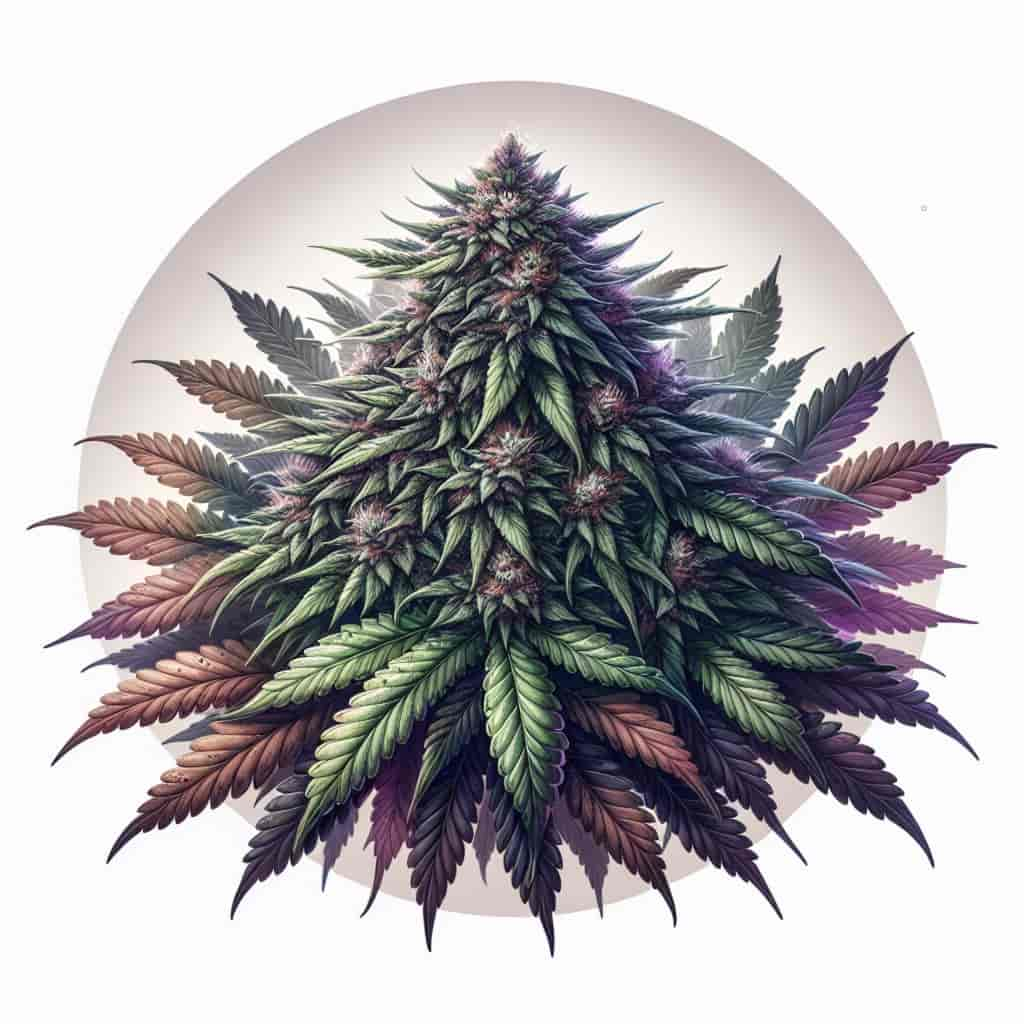
Indica vs. Sativa: Identifying the Differences
Cannabis Indica and Cannabis Sativa are two primary species of the cannabis plant. While they share some similarities, their effects and characteristics can differ significantly. These differences influence the experiences they provide to users.
Indica plants are typically shorter and bushier compared to Sativa. They often have wider leaves and a denser structure. These characteristics make them well-suited for indoor cultivation.
In contrast, Sativa plants are usually taller with slender leaves. They require more space and time to grow, making them ideal for outdoor cultivation. Understanding these traits is essential for growers selecting the right environment for their plants.
The effects of Indica strains are often described as a "body high." This can lead to deep relaxation and sedation. It's a reason why many prefer Indica strains for evening or nighttime use.
Sativa strains, on the other hand, provide a "head high." Their effects are more cerebral, offering mental stimulation and creativity. Sativa is often chosen by those seeking an energizing, uplifting experience during the day.
Here's a quick comparison of Cannabis Indica and Cannabis Sativa:
- Growth: Indica is shorter, bushy; Sativa is taller, has more space requirements.
- Effects: Indica offers relaxation; Sativa provides energy.
- Use: Indica is ideal for night use; Sativa is good for day use.
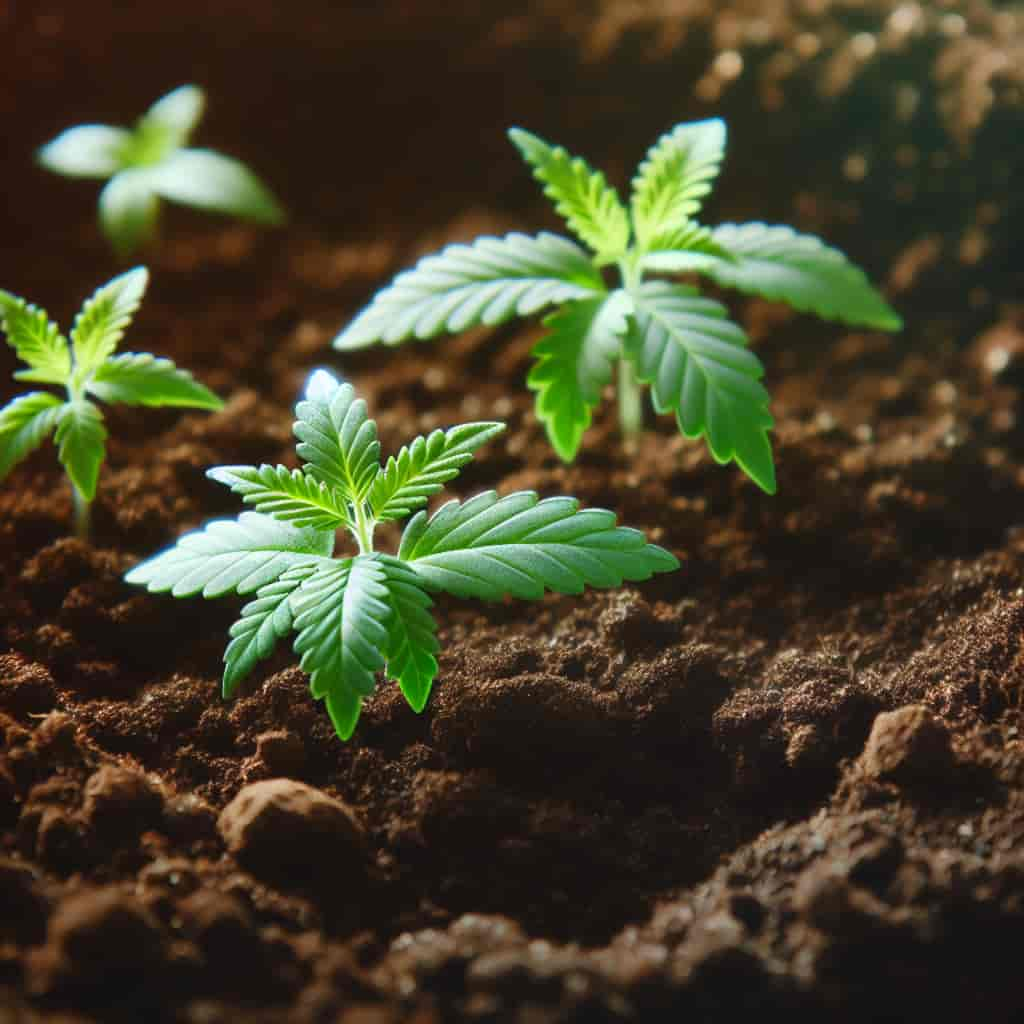
Choosing between Indica and Sativa depends largely on desired effects. Understanding these differences helps users find the right strain. Both Indica and Sativa hold unique benefits, so exploring their specific traits can enhance your cannabis experience.
The Origins and History of Cannabis Indica
Cannabis indica was described scientifically in the 1700s, from plants grown in India. Plants of this type were later associated with the mountainous regions of Central and South Asia, such as the Hindu Kush. Today the word is mostly used by growers and consumers for shorter, bushier plants with broad leaves. Because most modern strains are crosses, the indica label is a rough guide, not a precise classification.
Characteristic Features of Cannabis Indica Plants
Cannabis Indica plants are easily identifiable by their distinct physical characteristics. These plants are typically shorter and bushier compared to their Sativa counterparts. This compact stature makes them ideal for indoor cultivation.
The leaves of Indica plants are wide and dark green. The dense foliage results from their origins in cooler, mountainous regions. This adaptation helps the plant absorb maximum sunlight in short growing seasons.
Indica strains also tend to mature faster than Sativa. Their flowering period is often between 8 to 12 weeks. This rapid growth cycle is beneficial for cultivators who wish to harvest multiple crops annually.
Here are some key features of Cannabis Indica:
- Short, bushy stature
- Wide, dark green leaves
- Dense foliage
- Fast flowering time
- Robust and hardy nature
The buds of Indica are dense and heavy. They often emit a pungent aroma, reflecting the rich terpene profiles within. These aromatic compounds contribute to the distinct smells and flavors appreciated by many users.
The Effects of Indica on the Body and Mind
Many people describe indica-labelled strains as relaxing, with a heavy, calming body feel, and often choose them for the evening. Effects people commonly report include:
- Deep muscle relaxation
- Feeling sleepy
- Increased appetite
- A general sense of calm
Effects vary with the person, the dose, the strain and the product, and the indica or sativa label does not reliably predict them. A strain’s cannabinoid and terpene content says more than its label.
What People Commonly Report
People who prefer indica-type strains most often say they use them to relax, unwind after a long day and wind down before bed. These are personal reports, not proven benefits. Research on cannabis and specific health conditions is limited and mixed, and results differ by condition and product.
General information, not medical advice. If you are thinking about using cannabis for a health reason, talk to a doctor or pharmacist.
Relaxation, Stress and Sleep: What We Can and Can’t Say
Because this site sells seeds for growing, we do not make health claims about cannabis. What we can say is that cannabis affects people differently, that stronger effects are not always better, and that sedating strains are best saved for times when you do not need to be alert. If you have a medical condition or take medication, ask a doctor or pharmacist before using cannabis.
Terpenes in Indica: The Aromatic Compounds and Their Effects
Terpenes are fragrant compounds found in many plants, including Cannabis Indica. These molecules are responsible for the unique aromas and flavors of different strains. Beyond scent, terpenes play a role in the effects Indica strains have on the body and mind.
Each terpene carries distinct properties that contribute to the overall experience of cannabis. For example, myrcene is a prevalent terpene in Indica strains. It is known for its earthy aroma and sedative effects, often enhancing relaxation.
Linalool, another common terpene in Indica, offers a floral scent reminiscent of lavender. It is often associated with a calming floral aroma. Beta-caryophyllene has a spicy, peppery aroma and is the subject of ongoing research.
Here's a list of some key terpenes found in Indica strains and their potential effects:
- Myrcene: An earthy aroma often linked to relaxing effects.
- Linalool: A floral aroma often associated with a calming feel.
- Beta-caryophyllene: A spicy, peppery aroma that is the subject of ongoing research.
- Limonene: A citrus aroma often linked to uplifting effects.
The interplay between terpenes and cannabinoids is crucial for the entourage effect, an idea that is still being researched. Understanding which terpenes are present can help guide choices in selecting specific Indica strains for desired effects. The unique combination of aromatic compounds in Cannabis Indica contributes not only to its fragrance but also to its wide array of effects.
Consumption Methods: Smoking, Edibles, Tinctures, and More
Cannabis Indica can be consumed in a variety of ways, each offering distinct experiences. Understanding these methods helps users select the right option for their needs and preferences.
Smoking is the most traditional method. It provides a quick onset of effects, making it a choice for those seeking immediate relief. However, smoking can be harsh on the lungs, prompting some to look for other methods.
Edibles are popular for a more prolonged experience. These come in various forms, including gummies, chocolates, and baked goods. Edibles take longer to kick in, often an hour or more, but the effects last longer, which many users find beneficial for sustained relief.
Tinctures offer a versatile way to consume Cannabis Indica. These are alcohol-based extracts dropped under the tongue or added to food. They allow precise dosing and can be faster acting than edibles.
Here’s a list summarizing some consumption methods for Cannabis Indica:
- Smoking: Quick effects, traditional method.
- Edibles: Longer-lasting effects, delayed onset.
- Tinctures: Versatile use, precise dosing.
- Vaporizing: A smoother inhalation option.
- Topicals: Direct application for localized relief.
Each method can have different effects and durations. The choice of method often depends on an individual's lifestyle and specific needs. Understanding these options can lead to a more informed and satisfying cannabis experience.
Cultivation: Growing Indica Plants Indoors and Outdoors
Cultivating Cannabis Indica can be a rewarding endeavour for both novice and experienced growers. These plants are known for their compact size, making them ideal for indoor and outdoor cultivation alike.
Indica plants typically have a shorter flowering period than their Sativa counterparts. This quality is advantageous for growers looking to harvest more quickly. Shorter plants with broad leaves are well-suited for indoor spaces where ceiling height might be a limitation.
Outdoor cultivation offers Indica plants the benefit of natural sunlight, which can enhance yield and potency. However, these plants require specific conditions, such as warm climates and well-drained soil, to thrive. Attention to these details ensures healthy growth and high-quality buds.
Key considerations for growing Cannabis Indica:
- Climate: Prefers warm, dry environments.
- Soil: Needs well-drained, nutrient-rich soil.
- Lighting: Indoor growing may require artificial lighting for optimal results.
- Space: Compact structure suits indoor setups.
- Watering: Regular, moderate watering avoids root rot.

Proper care and attention to these factors can produce healthy plants with rich terpene profiles. Whether choosing indoor or outdoor cultivation, growers can achieve success with thoughtful planning and execution.
Legal Considerations and the Future of Cannabis Indica
The legal landscape of cannabis, including Cannabis Indica, is rapidly changing. Many countries and states are reassessing their policies, which impacts availability and research opportunities. Legalization not only affects medicinal and recreational access but also shapes public perception.
Cannabis Indica's legal status varies widely, from fully legal to strictly prohibited, depending on the region. This inconsistency can complicate both patient access and researcher study. However, the trend towards legalization appears to be gaining momentum as more regions recognize its potential benefits.
In areas where Cannabis Indica is legal, regulation plays a crucial role in ensuring product safety and quality. Proper labeling and testing of cannabis products help consumers make informed choices. As the market expands, the demand for clear guidelines on cultivation and sales increases.
The future of Cannabis Indica is promising, with continued research and more widespread acceptance anticipated. Continued research may influence future laws and social acceptance. As education and awareness grow, Cannabis Indica could become an integral part of healthcare and wellness routines worldwide.
Conclusion: Making an Informed Choice About Cannabis Indica
Understanding Cannabis Indica involves recognizing its unique benefits and effects. This knowledge helps users select strains that suit their needs, based on the effects they prefer.
As interest in Cannabis Indica grows, informed decisions become critical. By staying educated about its characteristics, effects, and legal landscape, individuals can safely and effectively incorporate Cannabis Indica into their lives.
Frequently asked questions
What benefits do people look for in indica?
Our guide covers what people typically seek from indica. Effects vary by person and strain, and this is not medical advice.
How is indica different from sativa?
The guide compares indica and sativa and how to identify the differences.
Where does indica come from?
The guide covers the origins and history of cannabis indica.


